July 3, 2024. A trek into the BC wilderness to a luxurious backcountry cabin.
- Region: Kokanee Glacier Park. Traditional territory of the Sinixt, Syilx, and Ktunaxa First Nations
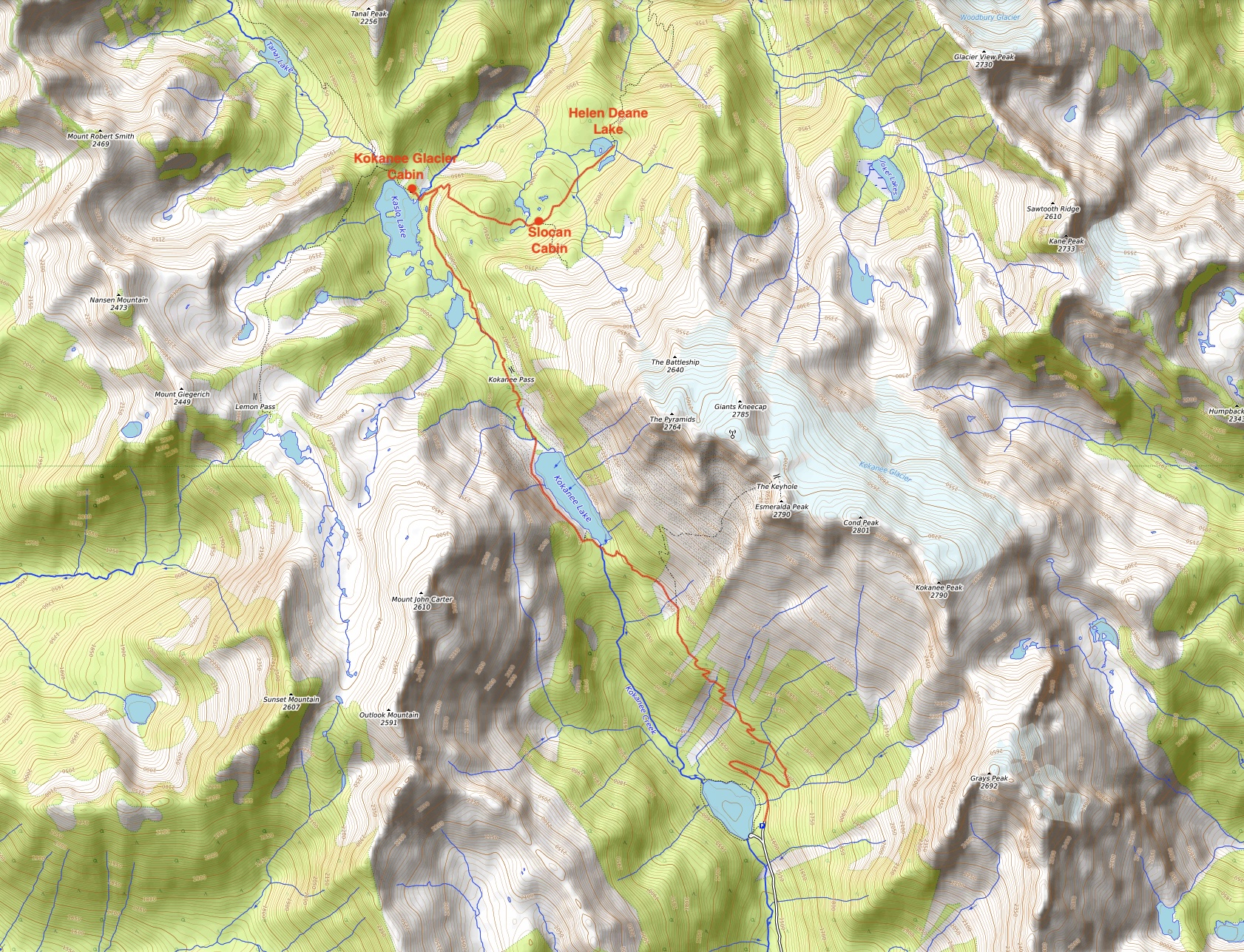
- Distance:
- Trailhead to Kokanee Glacier Cabin: 8.4 km one-way
- Kokanee Glacier Cabin to Slocan Chief Cabin: 1.2 km one-way
- Slocan Chief Cabin to Helen Deane Lake: 0.9 km one-way
- Total Ascent:
- Trailhead to Kokanee Glacier Cabin: 507 m
- Kokanee Glacier Cabin to Slocan Chief Cabin: 96 m
- Slocan Chief Cabin to Helen Deane Lake: -34 m
- Elevation of Objective:
- Kokanee Glacier Cabin: 1965 m
- Slocan Chief Cabin: 2015 m
- Helen Deane Lake: 1980 m
- Safety and Disclaimer
In 2022 I had a hiking trip planned out for Kokanee Glacier park that ultimately fell through due to the huge Briggs Creek wildfire burning in the area. Luckily, this year I was invited along on a group trip to the park. Bhaskar had managed to reserve 2 nights at the Kokanee Glacier Cabin for 5 people and I snapped up one of the available spots. We had some fairly ambitious hiking plans involving checking out the trails in the park as well as scrambling up some of the peaks near the glacier. We figured there’d be sufficient snow melt by the first week of July to allow for this. As it turned out, the late melt of 2024 meant that we had to confine our hiking to the trails in the valleys. Nevertheless, we had a great time exploring the area, taking in the beauty of the snow-covered terrain, and enjoying the cozy and comfortable Kokanee Glacier Cabin.
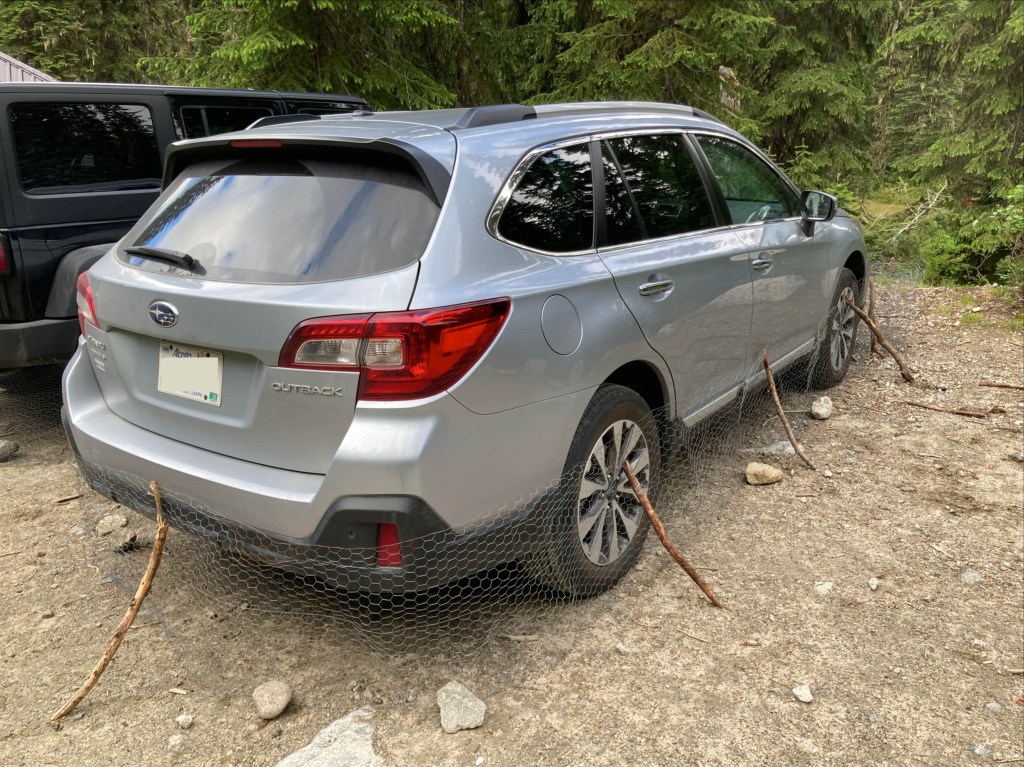
We accessed the park via the Kokanee Glacier Park Road, near Nelson BC. BC Parks states that this unpaved road is not recommended for low clearance vehicles or RVs. I had imagined a rough and horrible road like some of those in the Crowsnest Pass. It turned out not to be that bad – most vehicles, if not low clearance and carefully driven, could probably manage the drive. The road ends at Gibson Lake, where we geared up and started out along the Kokanee Lake Trail into the heart of the park. I packed as I would have for a multi-day backpacking trip, minus the tent, and also brought along a small day pack.

Part 1: Trek to the Kokanee Glacier Cabin
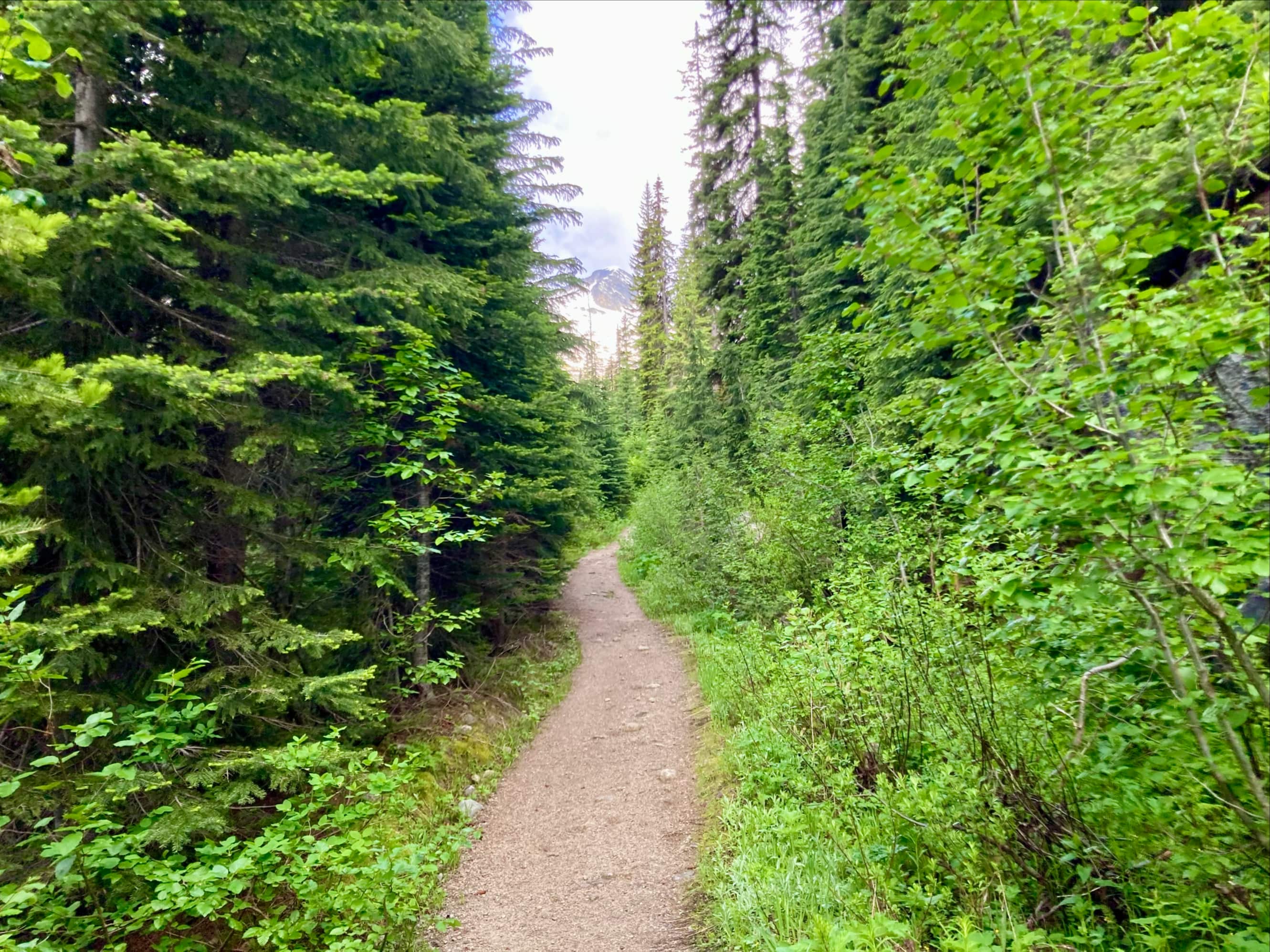
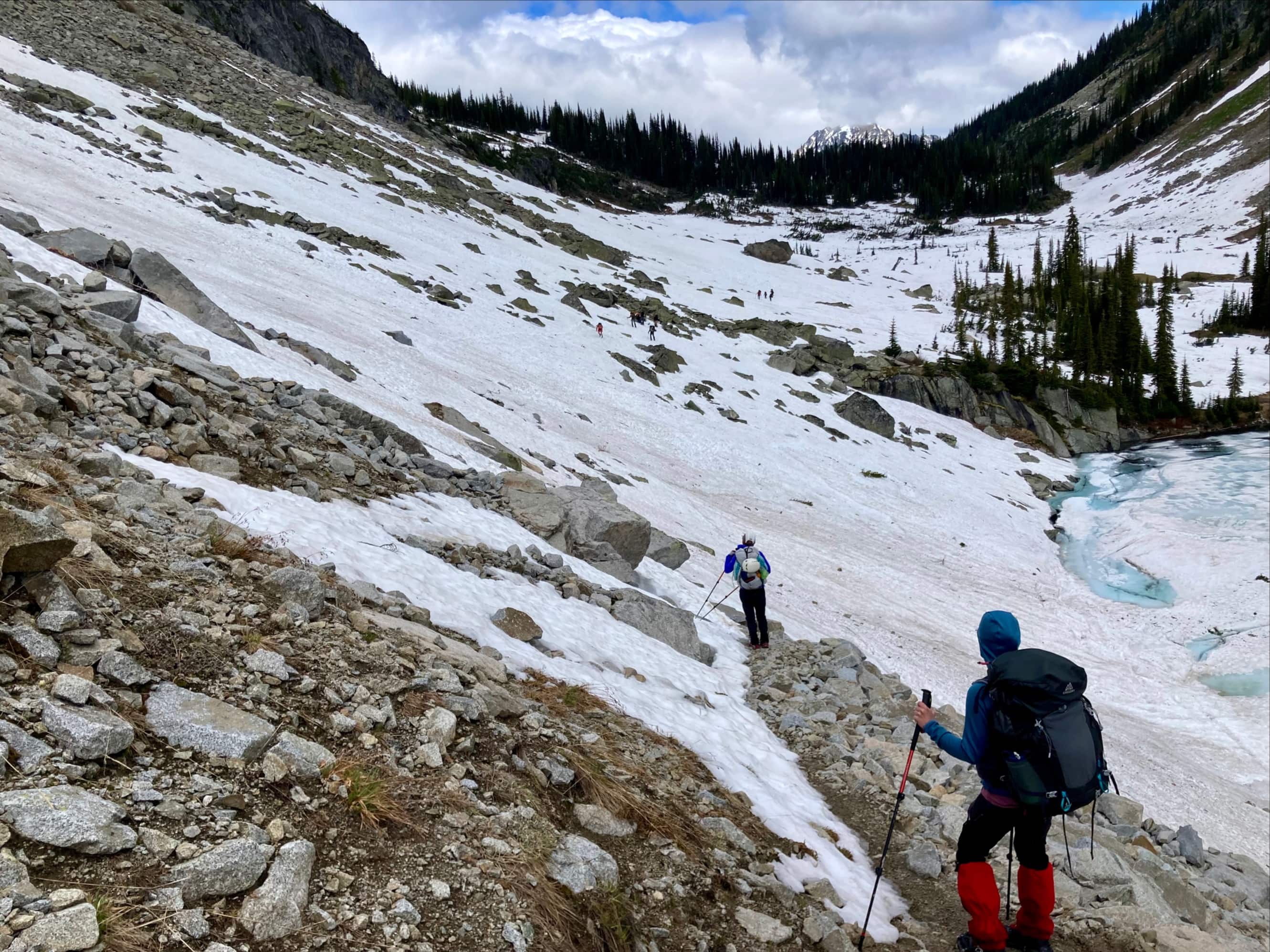
The Kokanee Lake Trail ascends in two long switchbacks to the east of Gibson Lake. We passed several cascades that tumbled down alongside the trail, flowing quite brisk with the ongoing snow melt. Once we’d climbed a short while we got a nice view back towards Gibson Lake. Lines of sight also opened up towards the surrounding peaks. The trail didn’t have any significant snow on it until we got to the “Kokanee Lk 1.2 km” sign post. It wasn’t too hard to find our way as we entered the snowy area, though from time-to-time we had to search a bit to discover where the trail re-emerged from under sections of deep snow. As we neared Kokanee Lake the snow cover got more consistent.
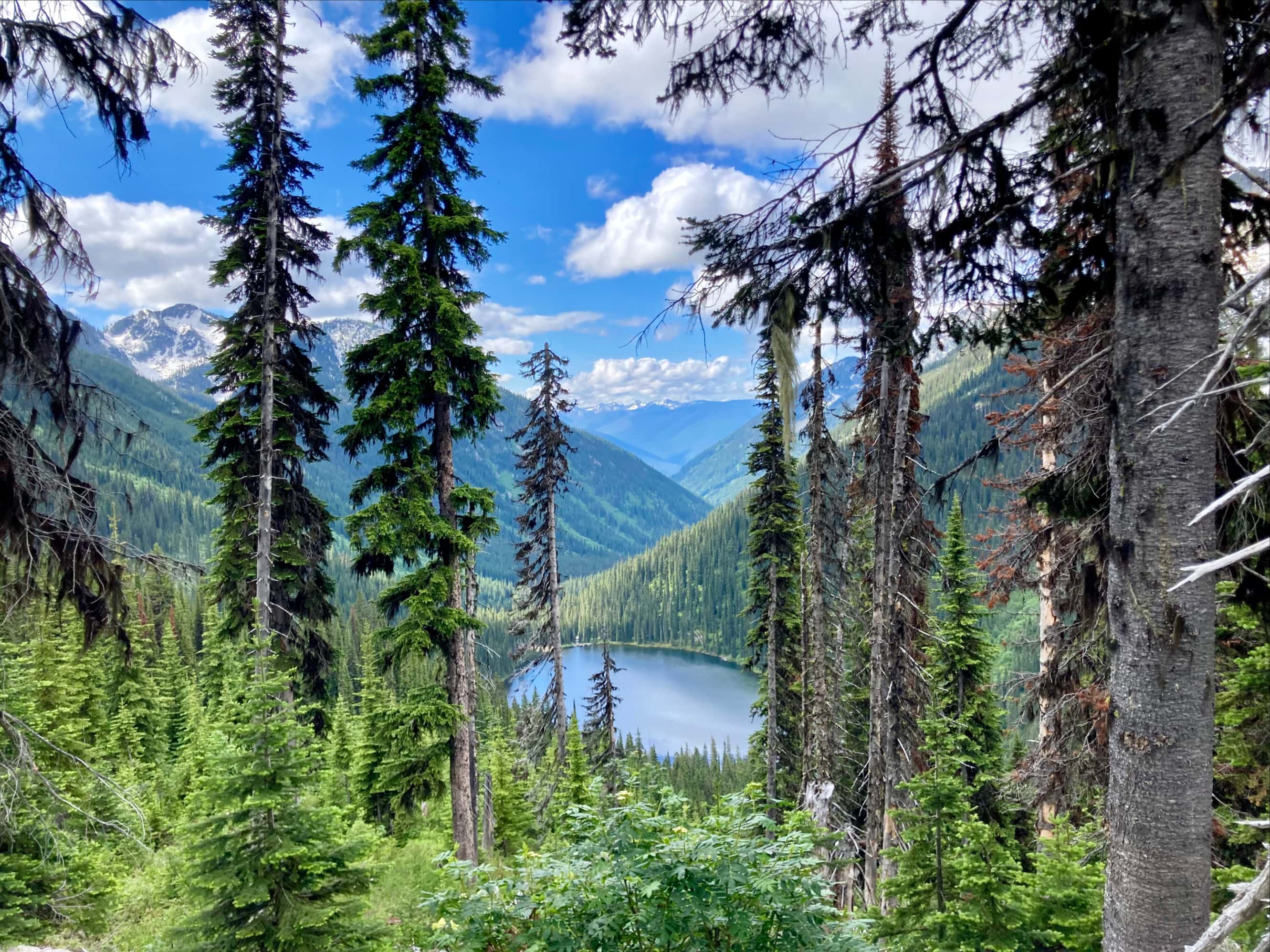


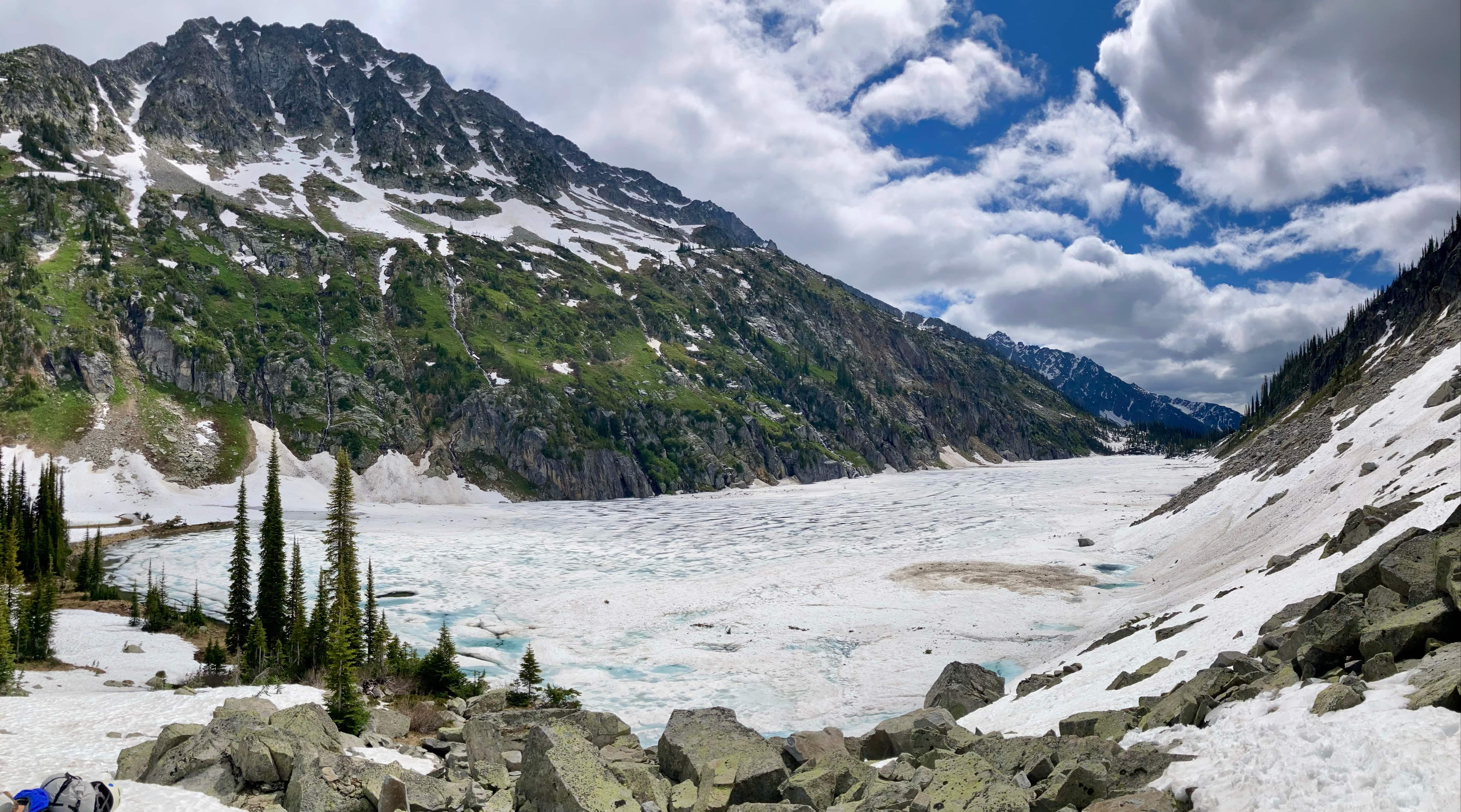
Once we reached Kokanee Lake we could see the line of the trail as it traversed above the lake on the western wall of the valley. A few weeks earlier there was still a lot of snow reported on and above the route, but when we arrived it looked mostly clear. We picked up the trail behind the pit toilets at the southern end of the lake. The most significant snow patch to cross came at the northern end of the traverse where we encountered a large party hiking out. We waited for them to pass by before finishing our traverse and entering the snow-filled valley north of the lake.
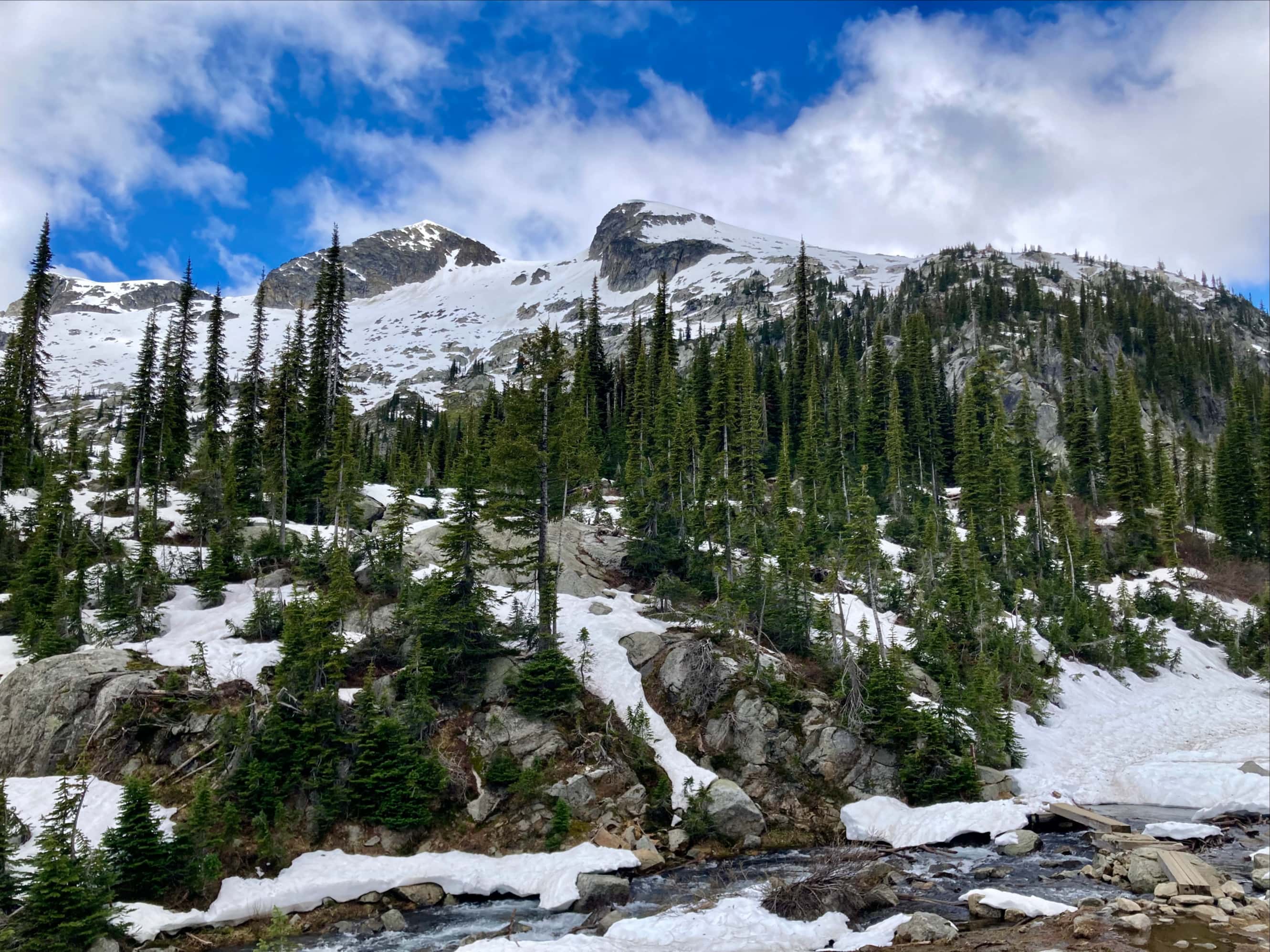
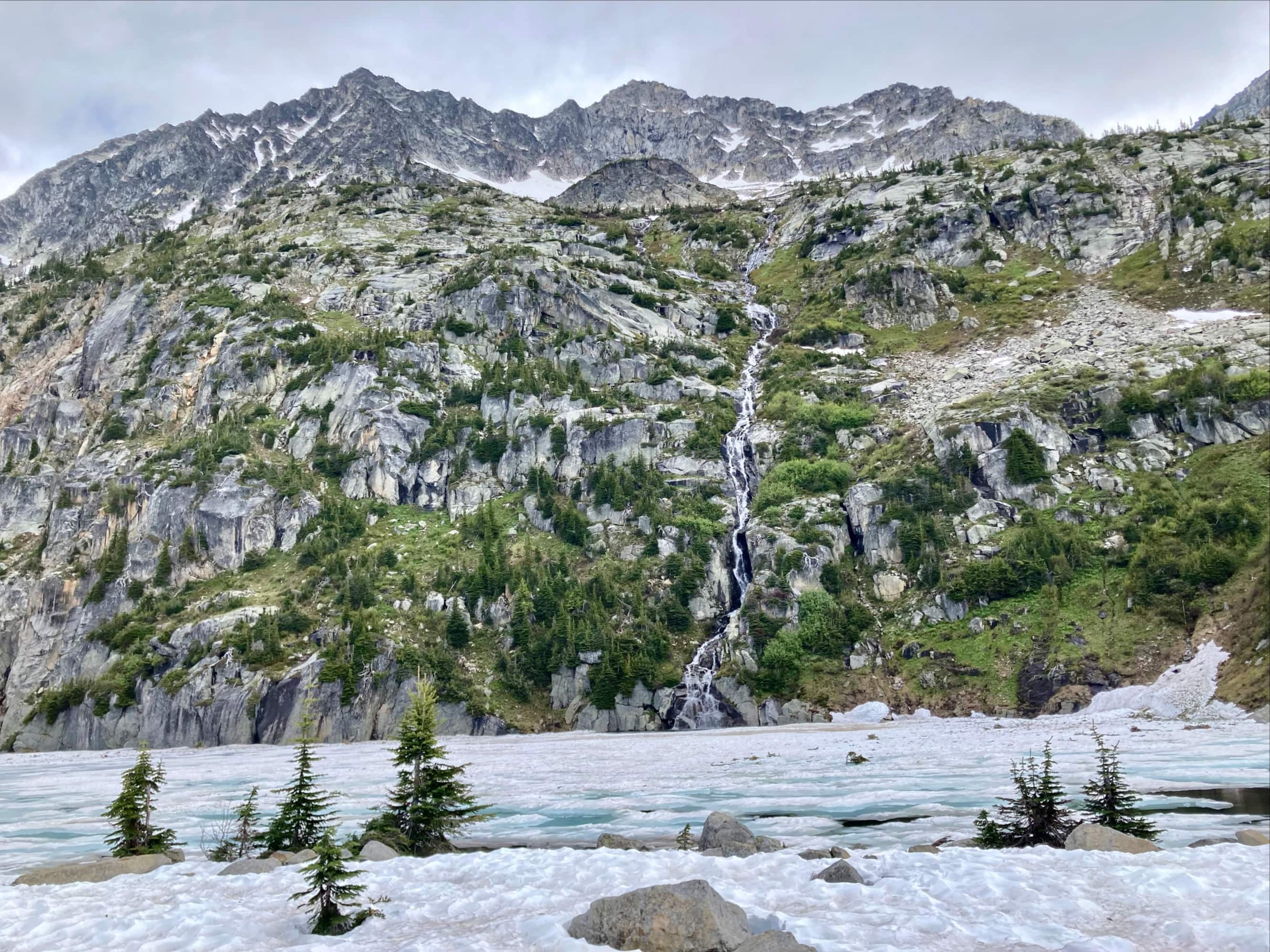
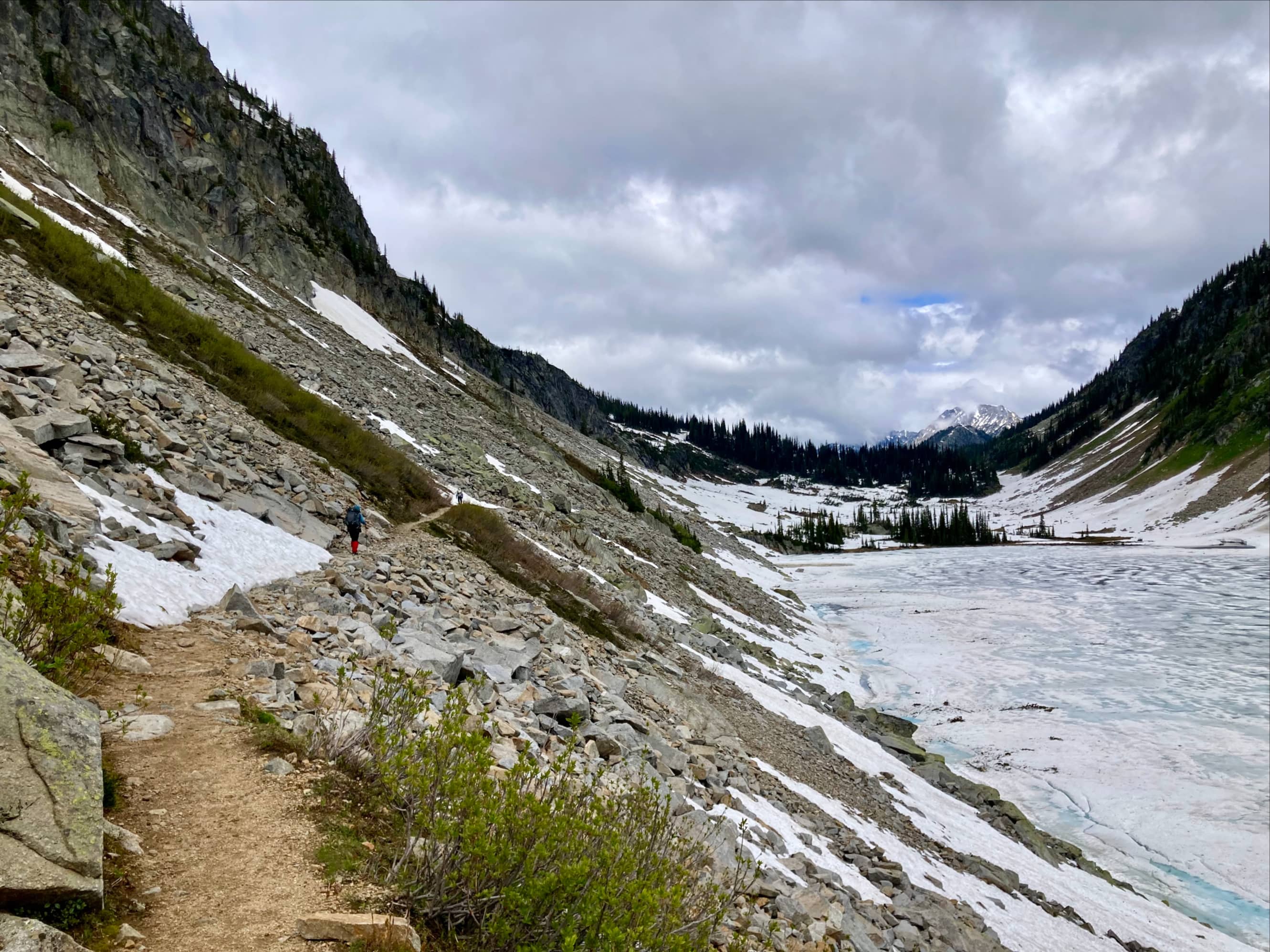

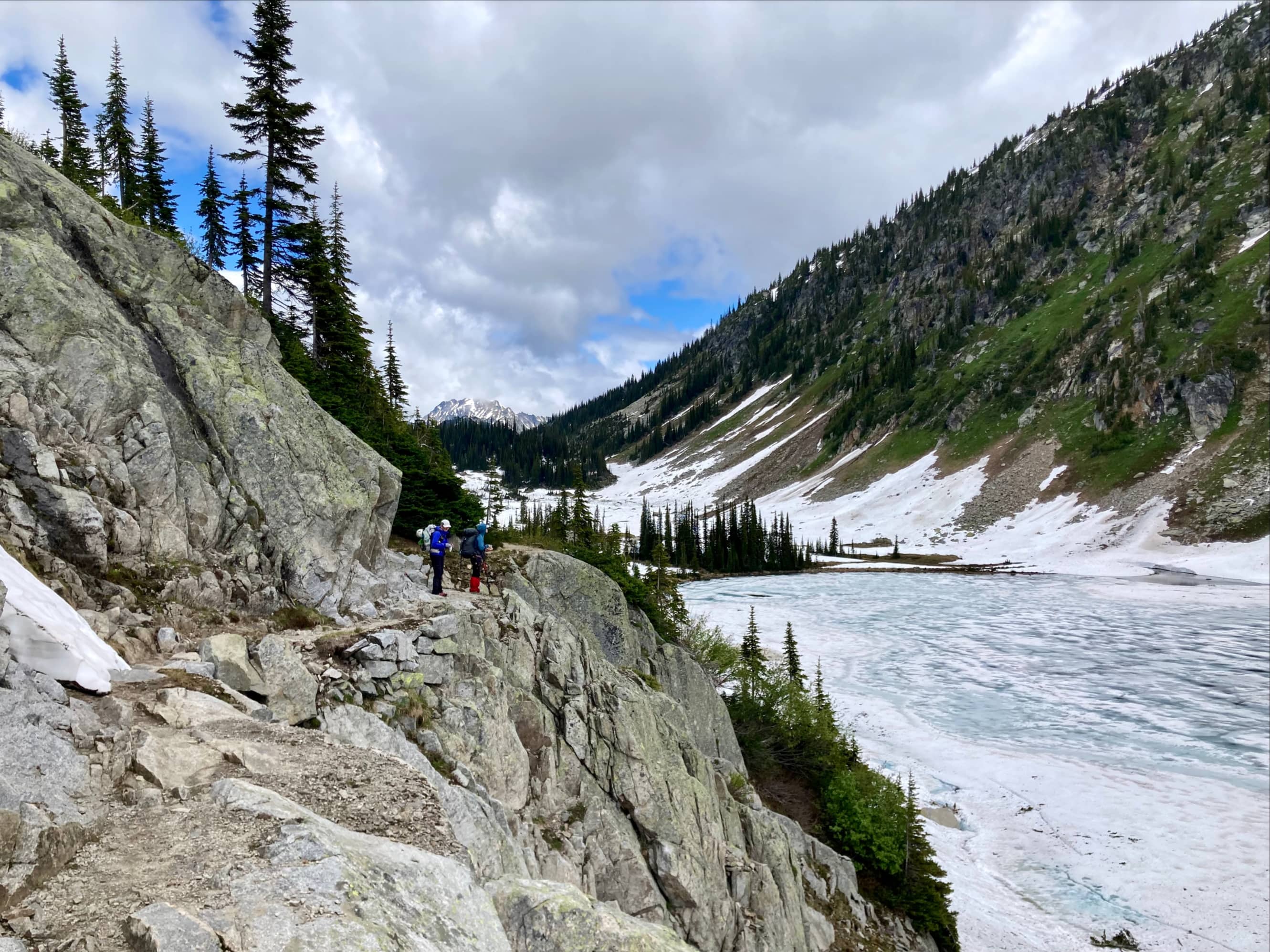
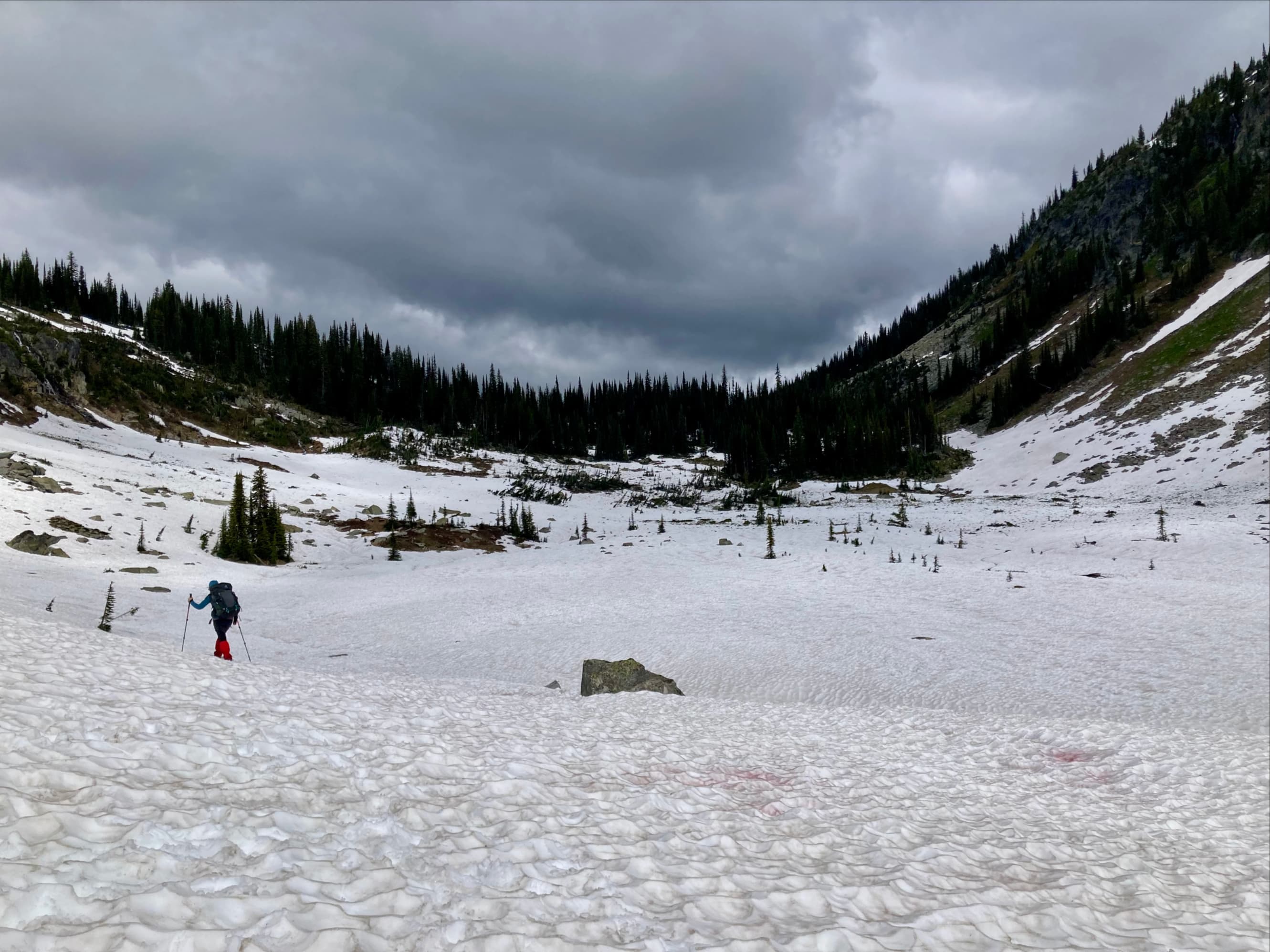
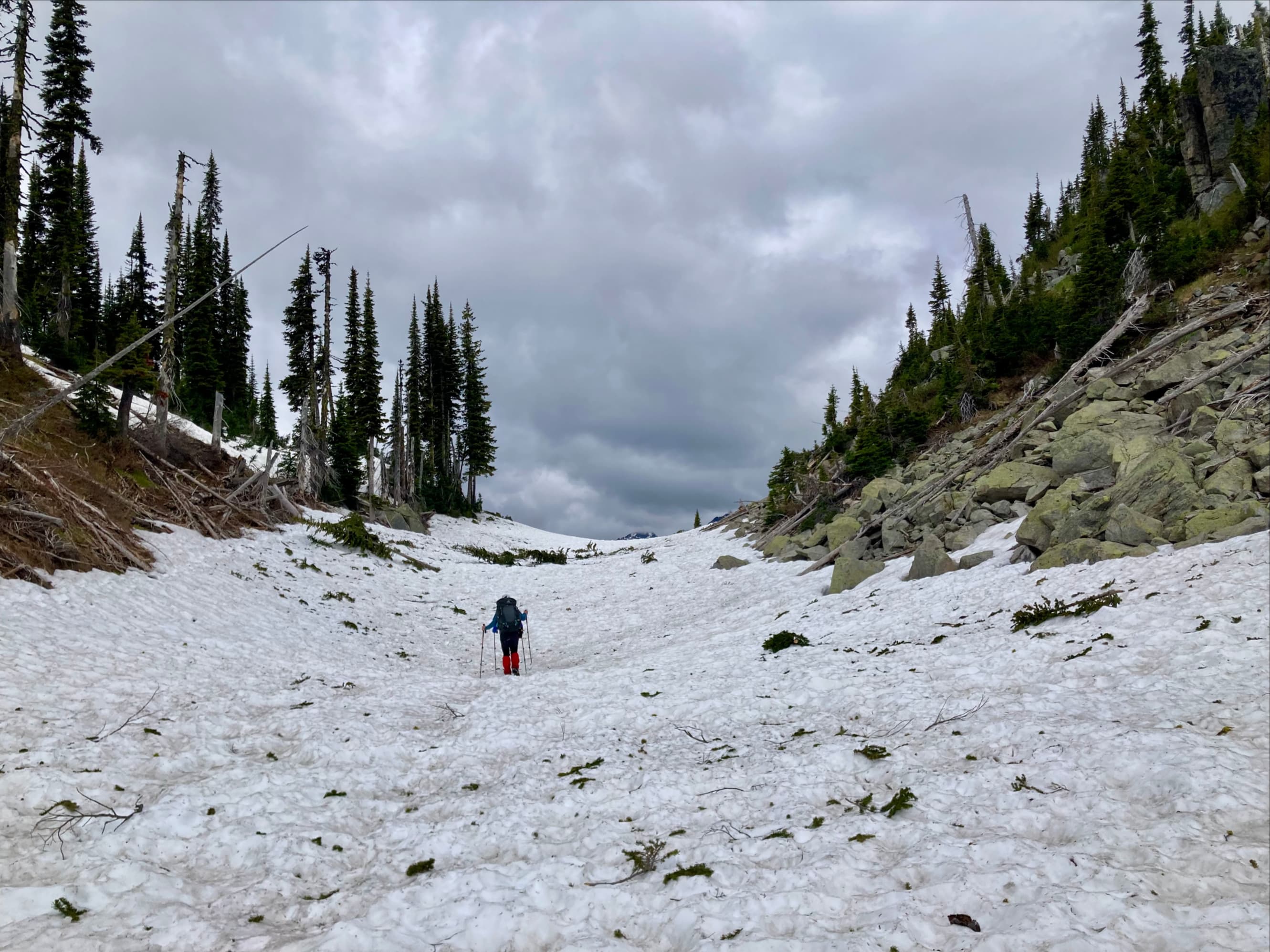
We ascended a small lip at the north end of the valley (Kokanee Pass) and looked down on to some more snowy terrain in the adjacent valley. This valley is home to Keen, Garland, and Kaslo Lakes. Kaslo is the largest, at the north end of the valley, and near its northern shore is the Kokanee Glacier Cabin. It was fairly slow going for us as we found ourselves post-holing in the deep snow, in some places plunging hip-deep. This was of greatest concern where large cavities between boulders or over running water were covered by thin snow bridges. We managed to move forward carefully without anyone getting soaked or bruised. Finally, we made it to the Kokanee Glacier Cabin.
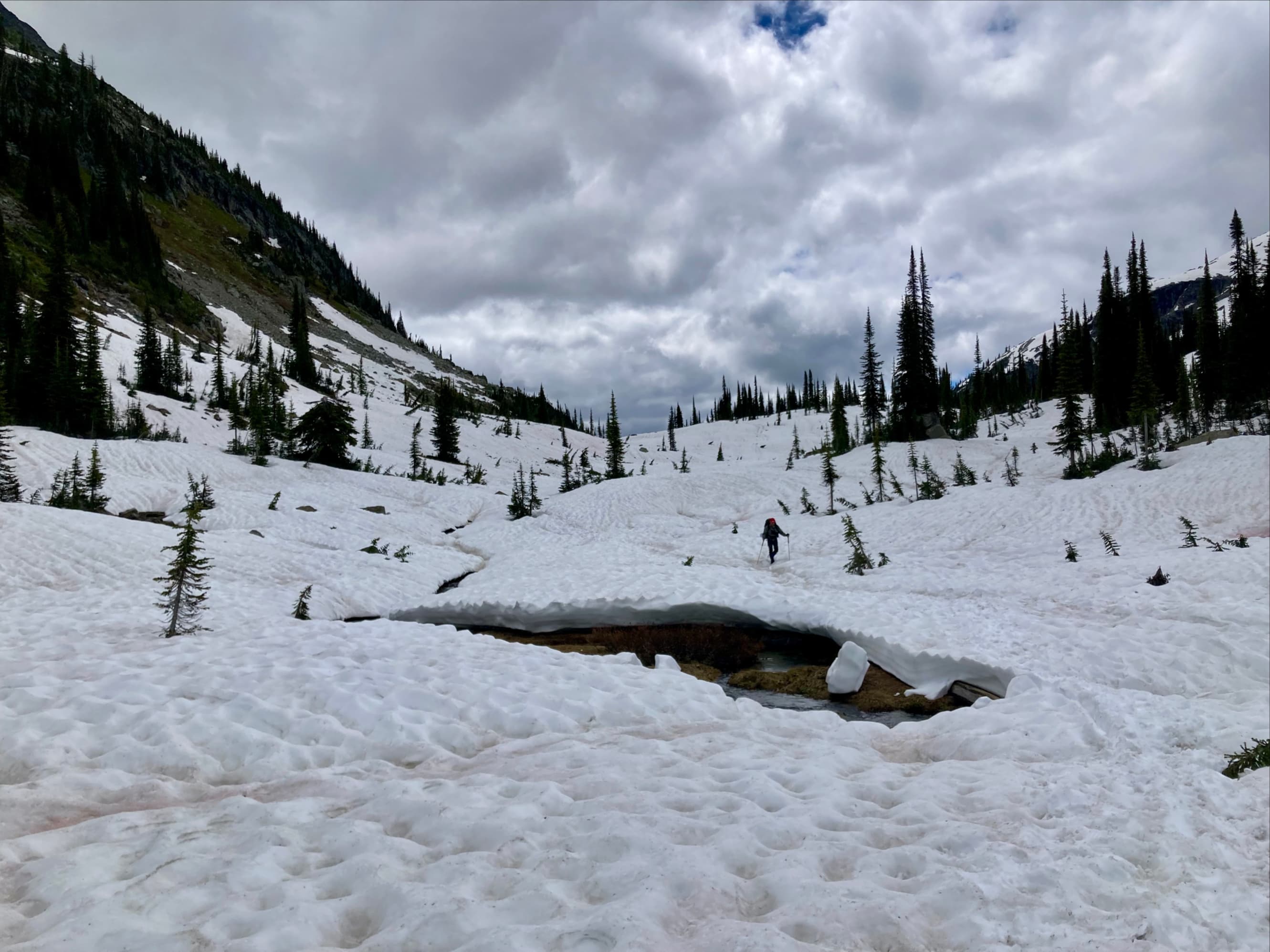

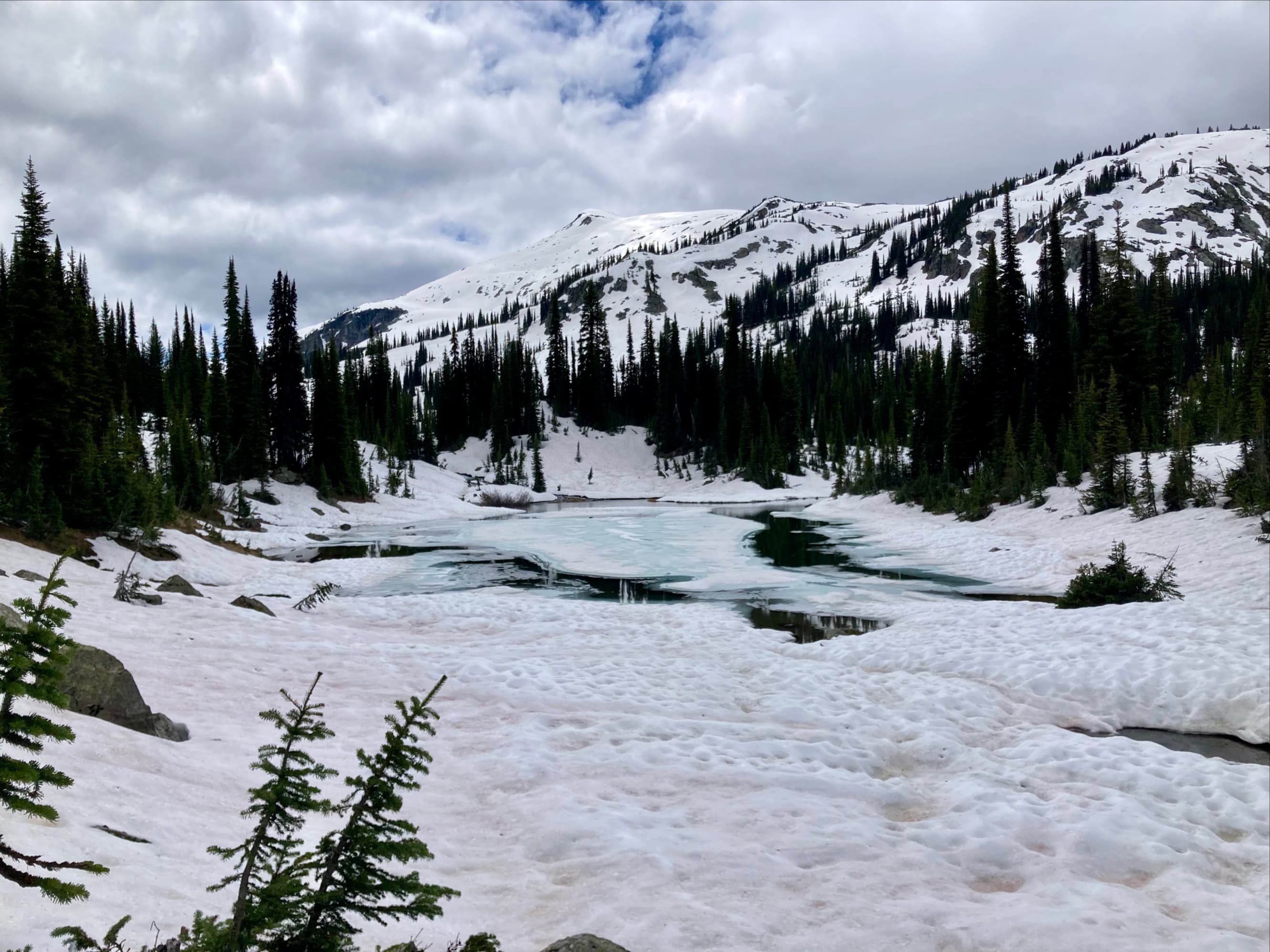
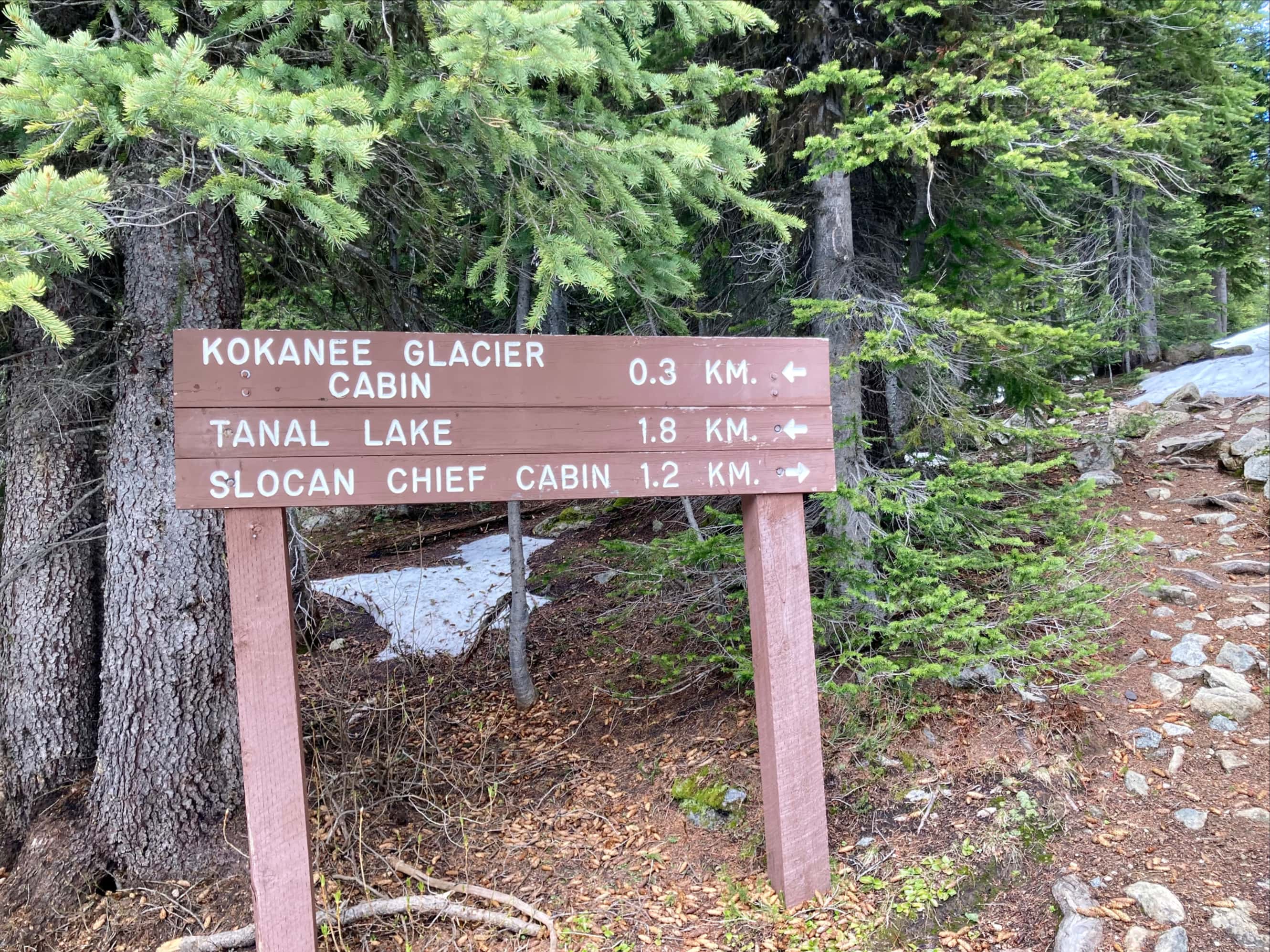
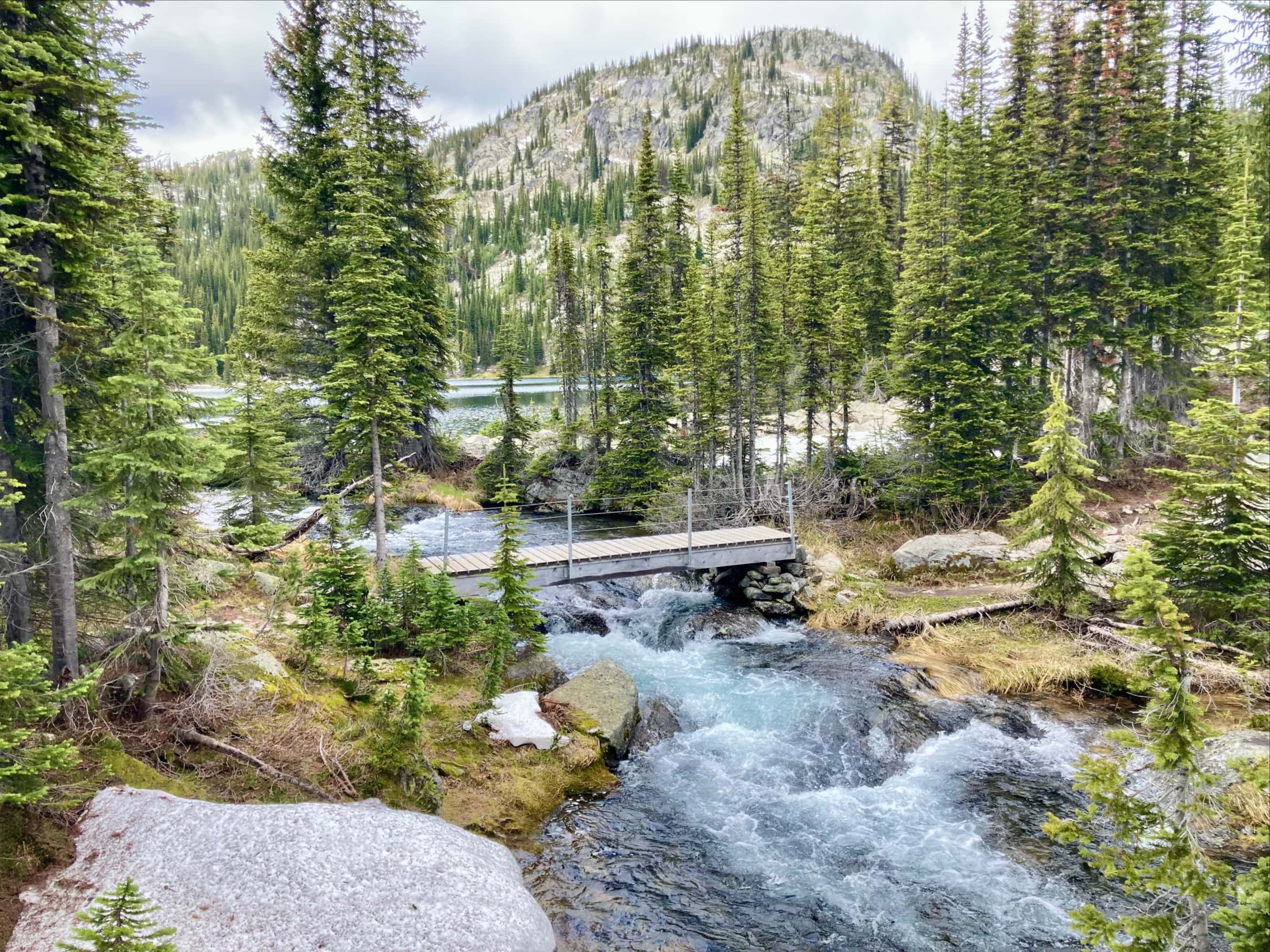
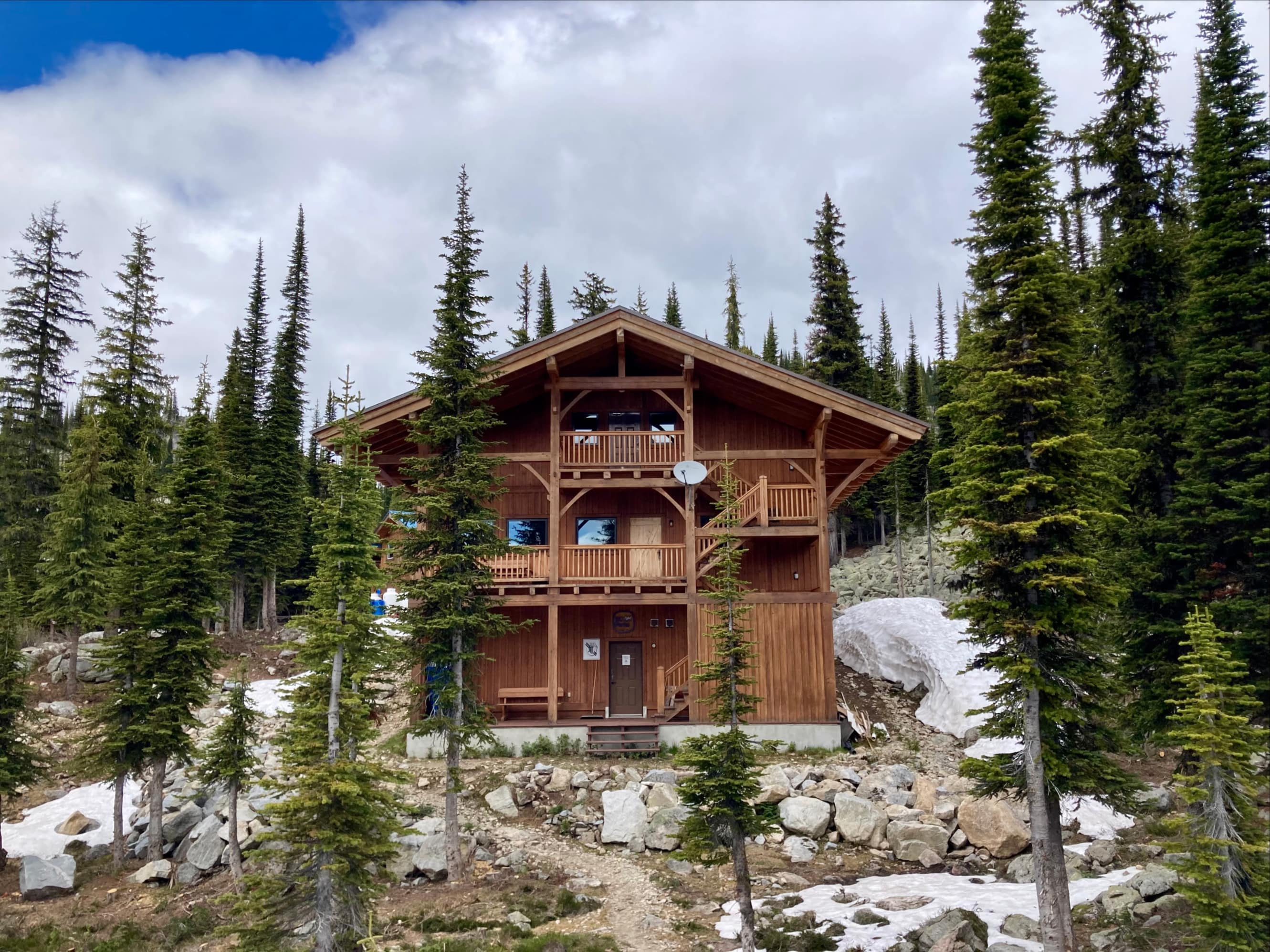
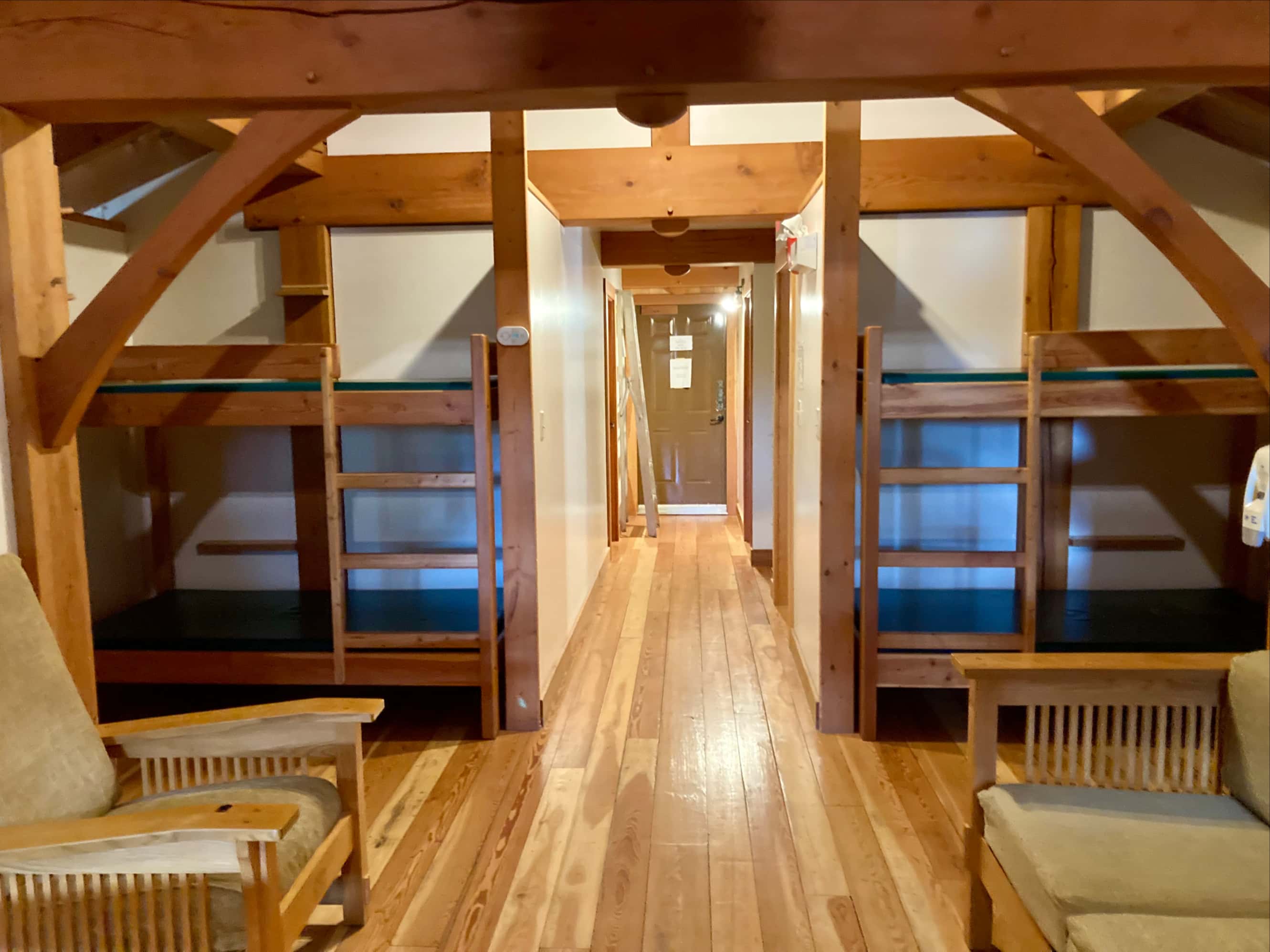
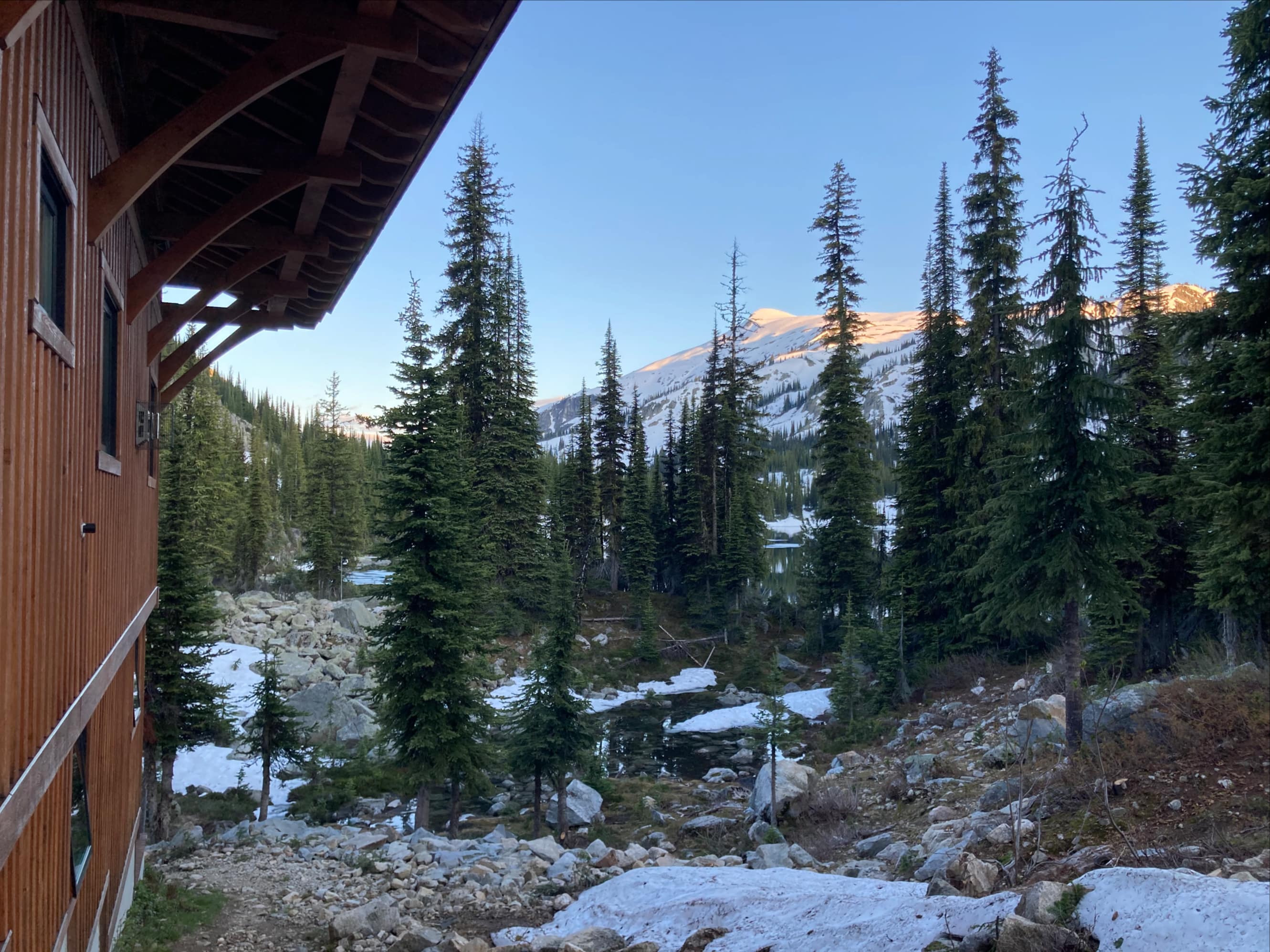
The Cabin is relatively new. Construction began in 2002 and it welcomed its first guests in 2003. The interior is spacious and well-lit. It is operated by the Alpine Club of Canada and advance reservations are required if you want to stay there. A live-in custodian functions as greeter, advisor, and local ranger. There is a nearby backcountry campground for those unable to secure a reservation or who prefer the camping experience. On our arrival we met the custodian, Petra, and she invited us in to choose bunks and offload some gear. After a short rest we grabbed day packs and headed towards Slocan Chief Cabin and Helen Deane Lake.

Part 2 – Slocan Chief Cabin and Helen Deane Lake
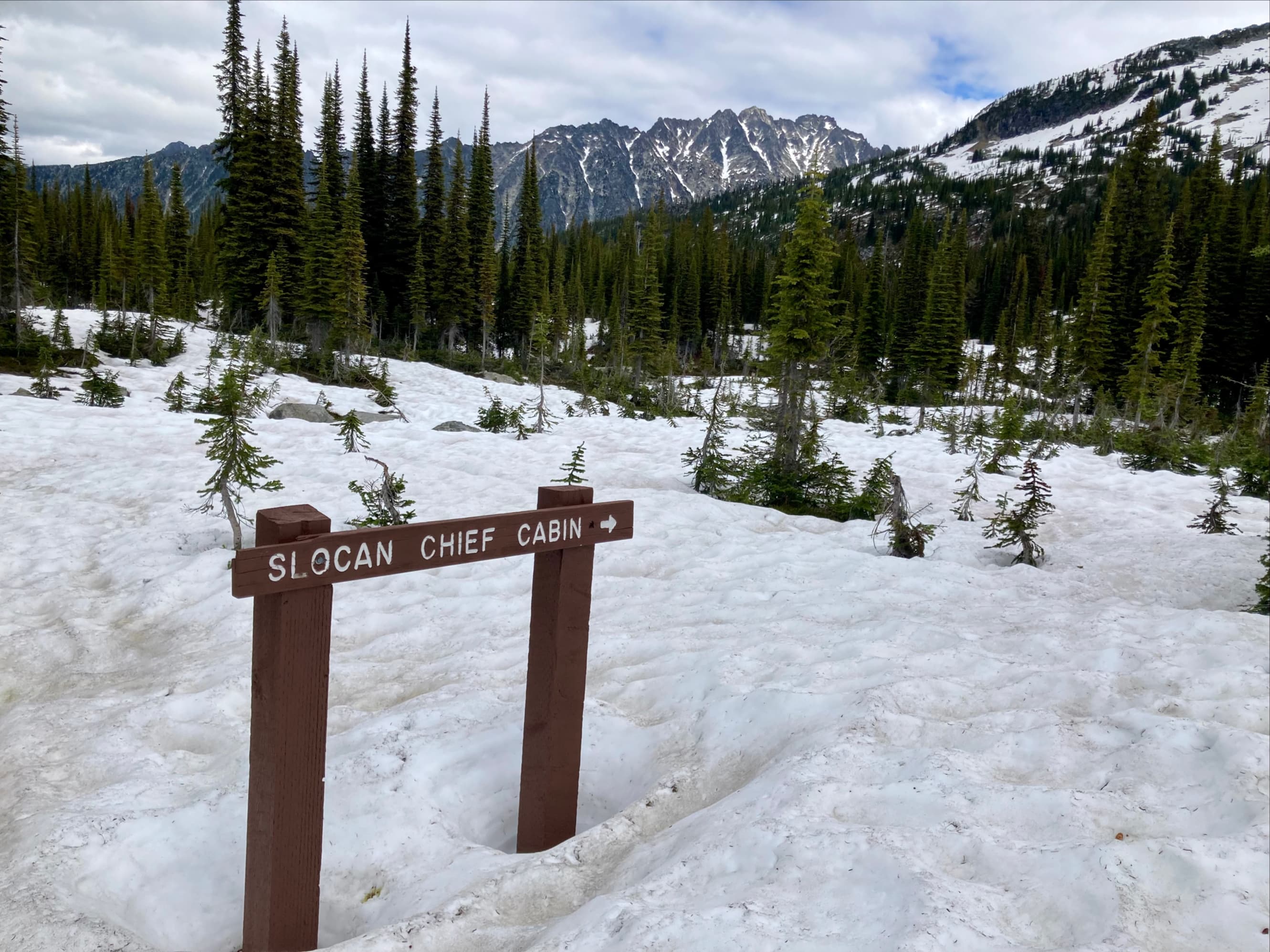
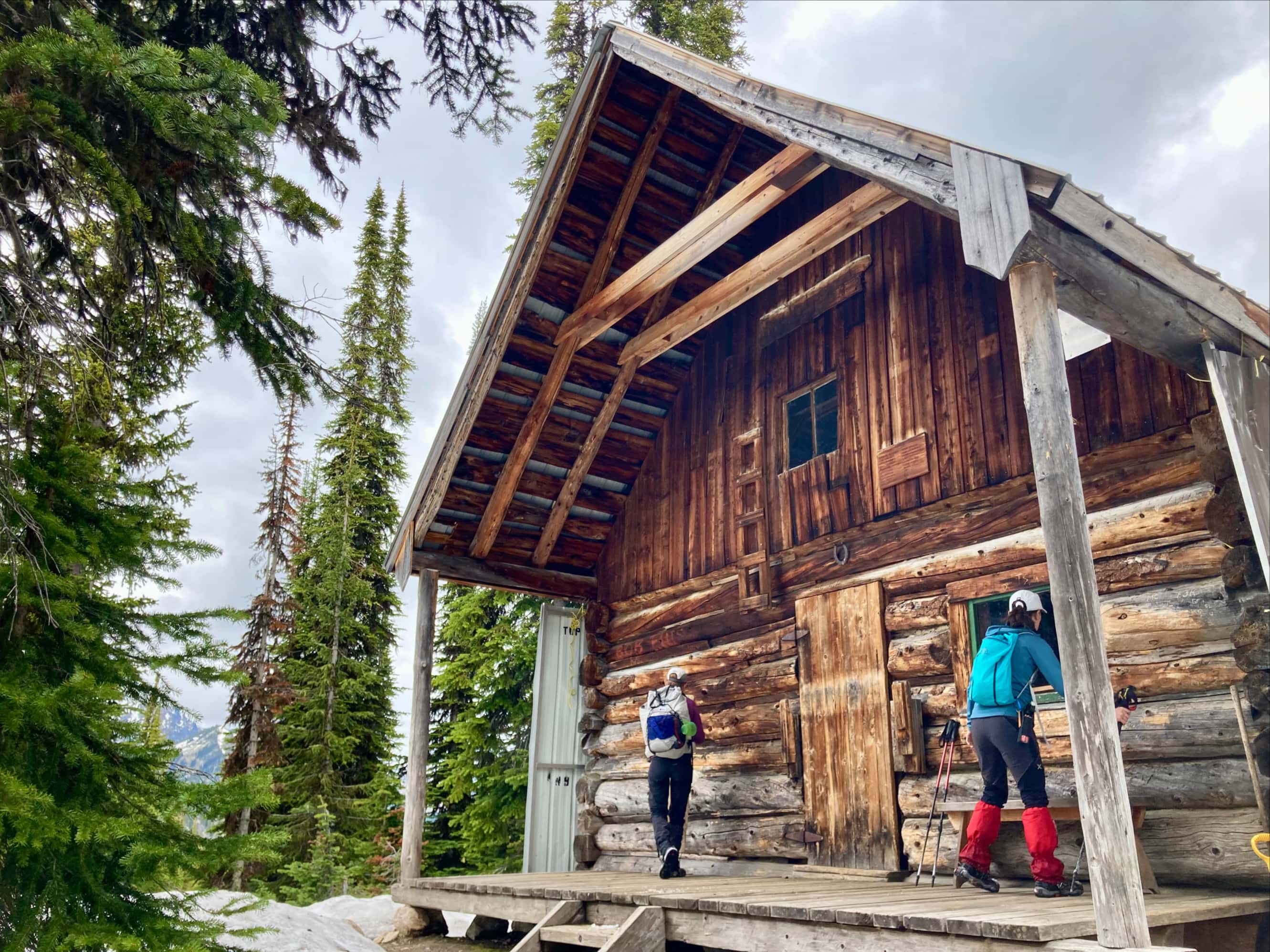
We had plenty of energy and daylight left after we’d settled into the cabin. Our original thought had been to carry on to Sapphire Lakes, but after discussing the snow conditions with Petra it became clear that travelling that way would be slow going. Instead, we decided to visit nearby Helen Deane Lake and stop along the way to check out the Kokanee Glacier Cabin’s predecessor – Slocan Chief Cabin. We returned to the signed intersection at the northeast edge of Kaslo Lake and stomped through the snow until Slocan Chief Cabin came into view. This was the original backcountry cabin in the area. It was built in 1896 and originally used by silver miners. After the mines shut down, local mountaineers and backcountry skiers started to use it for backcountry accommodation. That continued for decades, but eventually it was recognized that the cabin was in need of major restoration. In the 1990s plans were put in place for Kokanee Glacier Cabin to be built. Once backcountry accommodations were moved over to the new cabin, Slocan Chief Cabin was restored and repurposed as a small backcountry museum.

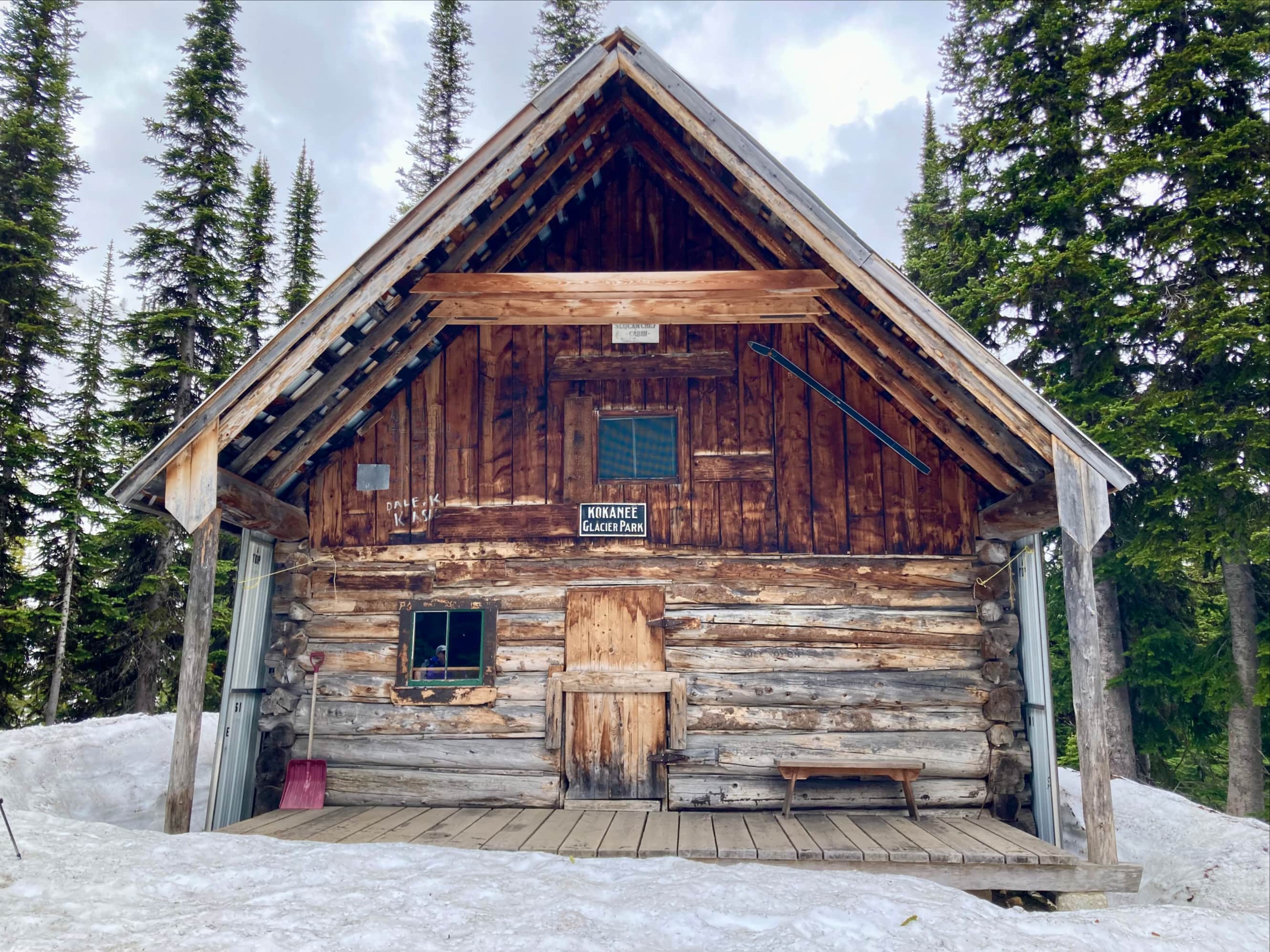
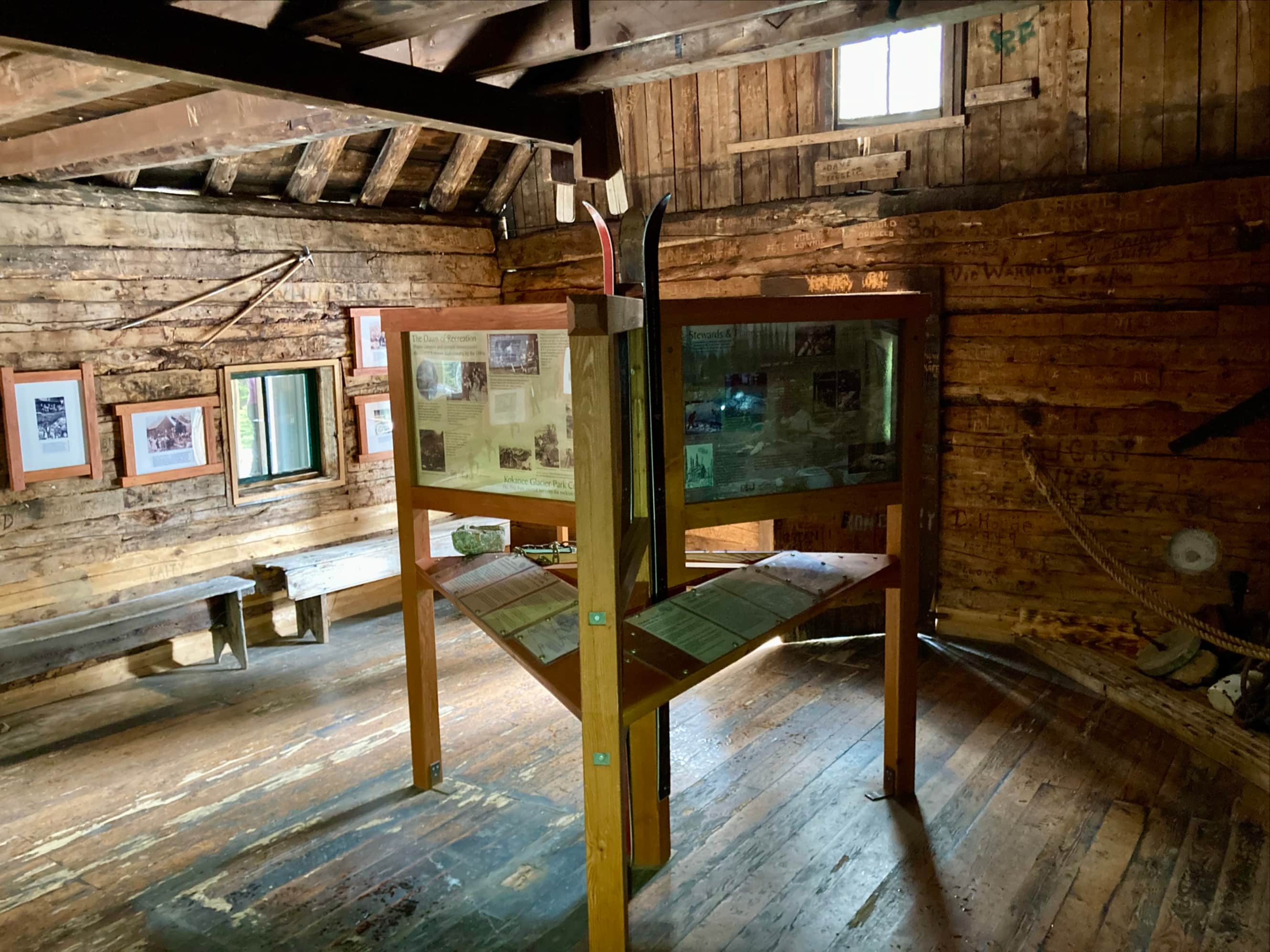
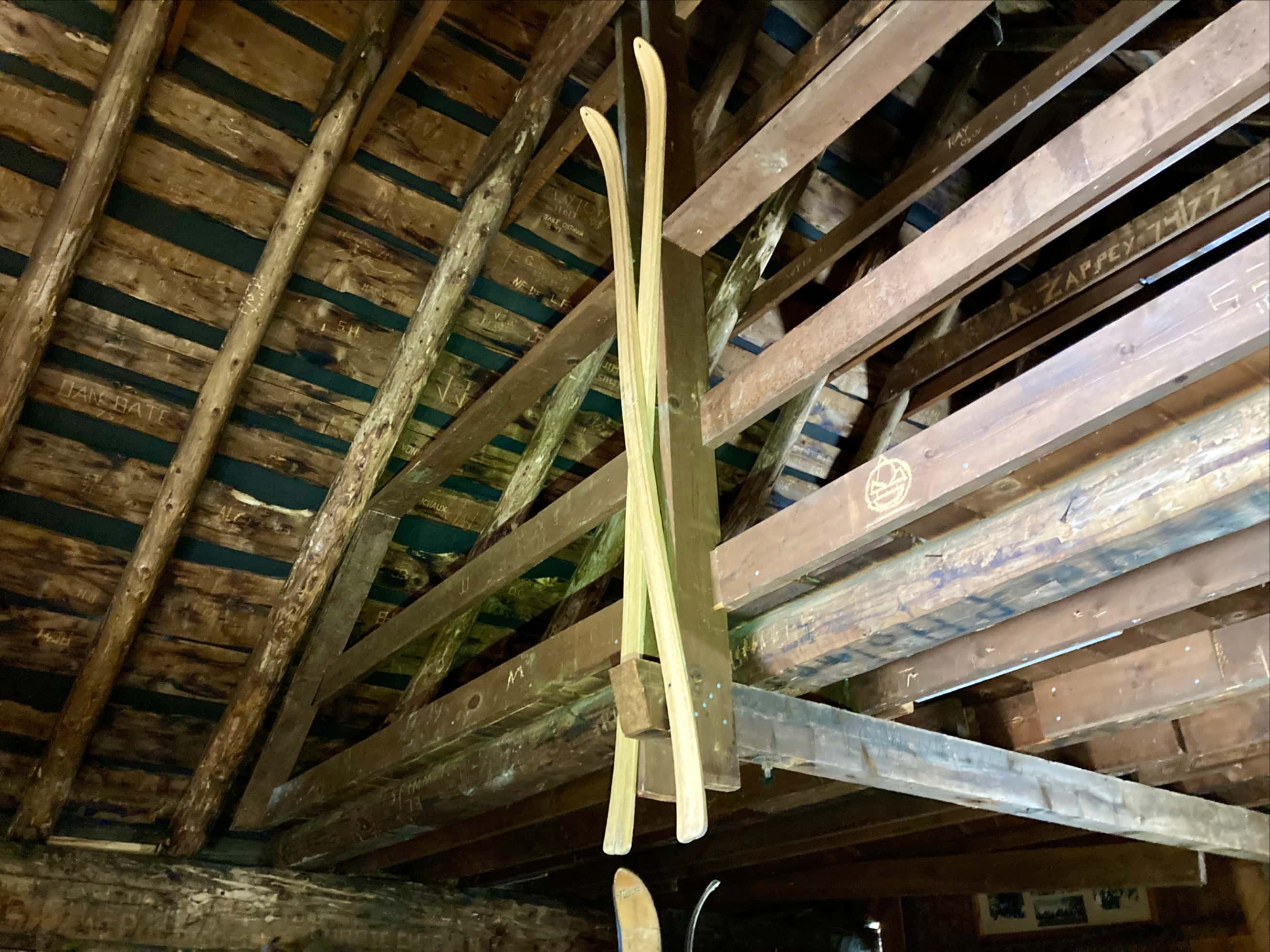
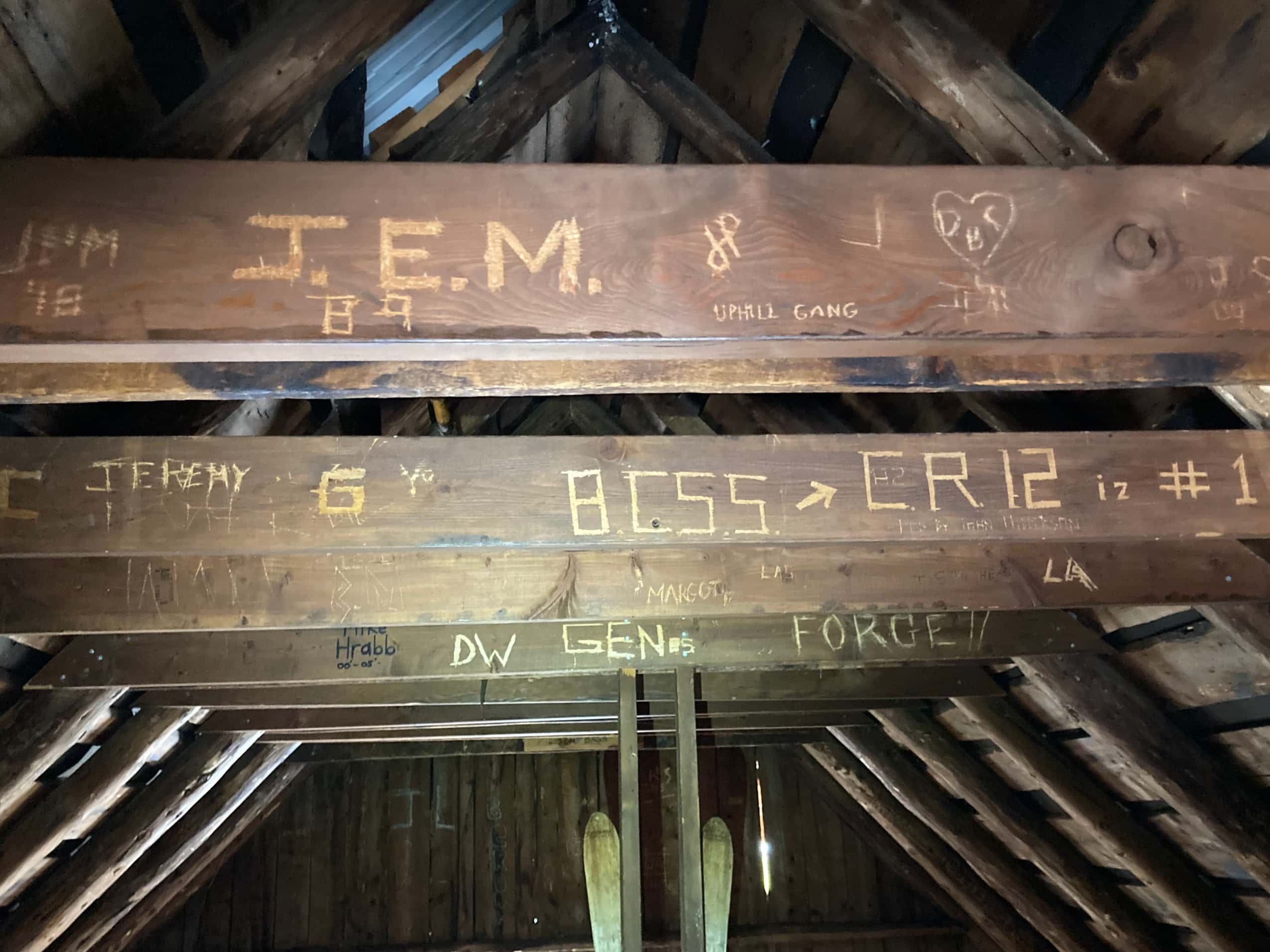
After poking around the old cabin for a while we got back on the trail. It led northeast and descended a few dozen meters. As we went along the snow started to thin out. Helen Deane Lake itself was snow-free. Though it appears on all maps as two adjacent bodies of water, it seems to officially be Helen Deane Lake as opposed to Lakes. The trail passes between the two water bodies and crosses a creek at the northeast shore. Beyond that point the trail carries on as the Helen Deane Wilderness Trail, going through Joker Pass then steeply descending in stacked switchbacks to a decommissioned road. We went as far as the creek before turning back.
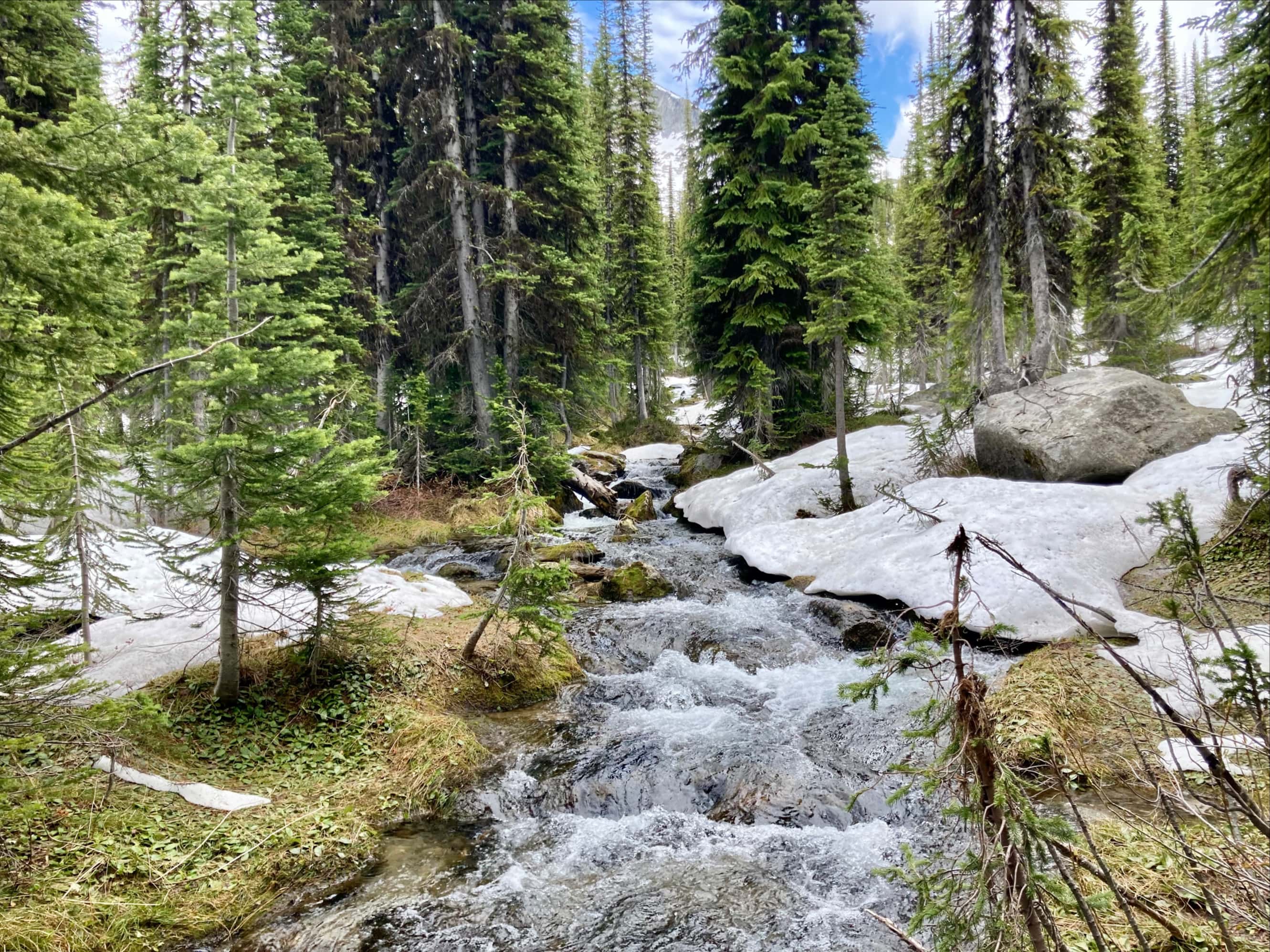
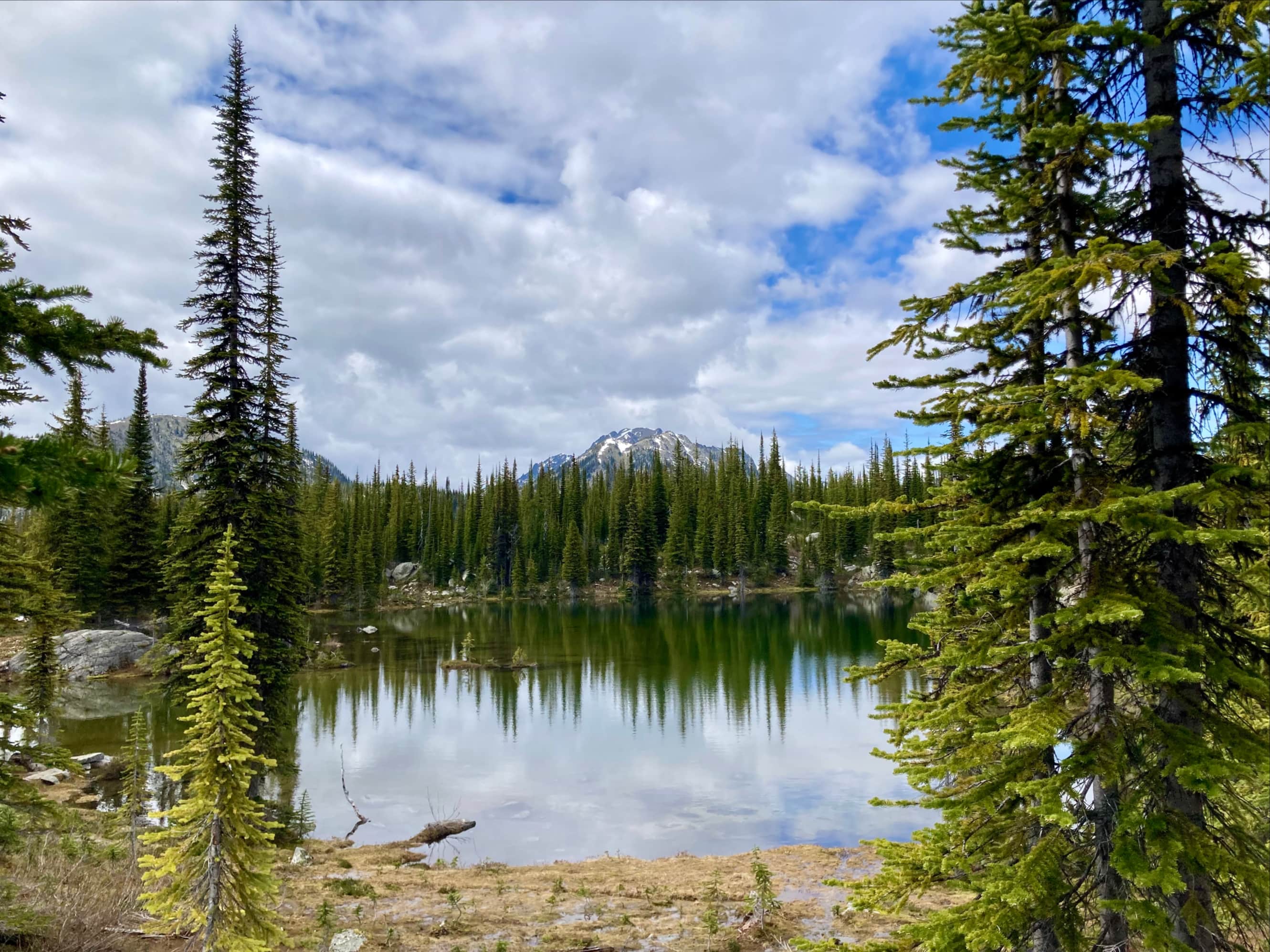
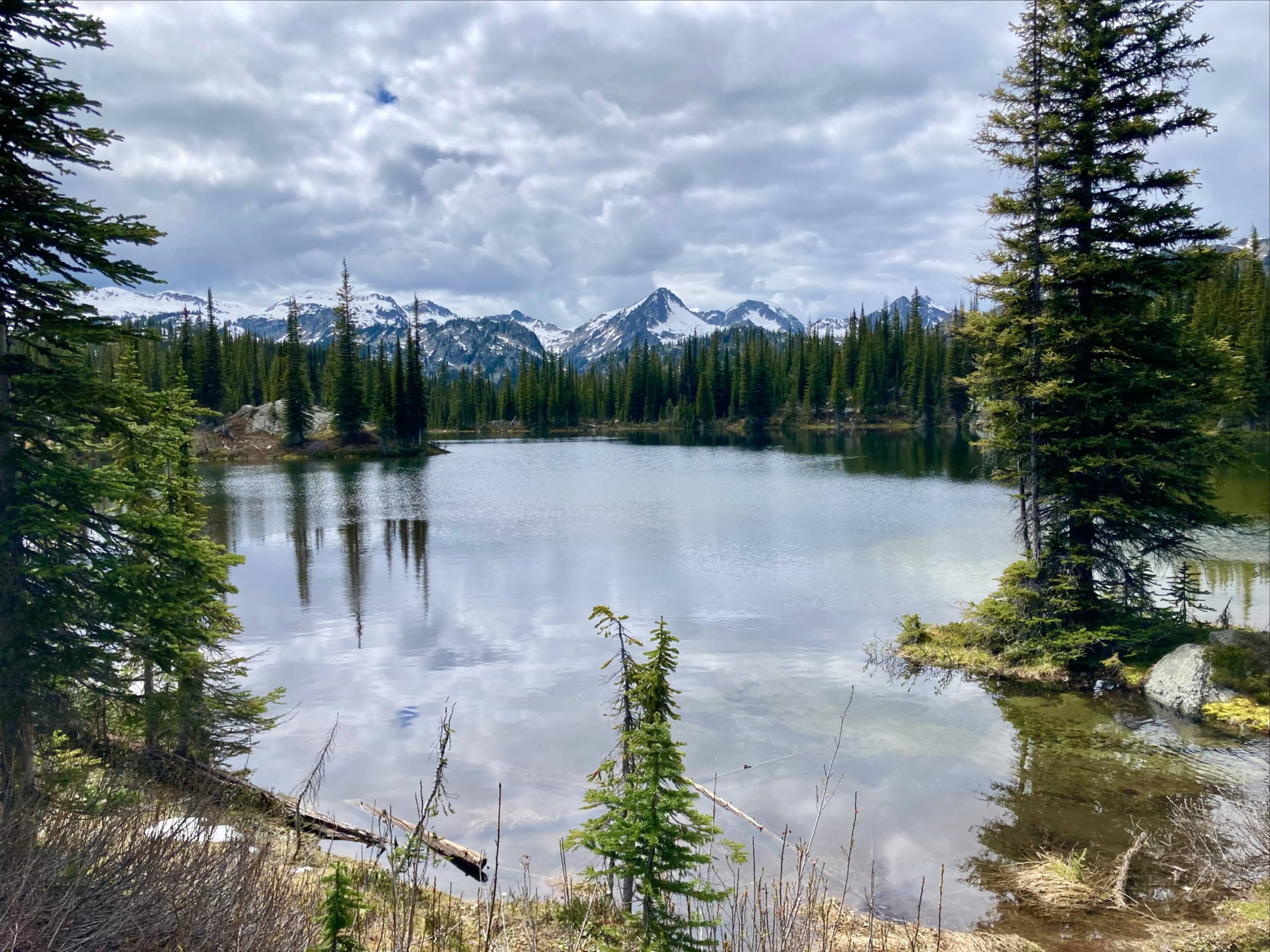
On our return to the Kokanee Glacier Cabin we settled in for the evening and planned our outing for the following day. The original plan had been to hike back below Kokanee Lake then hike up to “The Keyhole” where we could see the Kokanee Glacier and possibly scramble up Esmeralda Peak. The snowy conditions were giving us second thoughts, though. So instead we decided to head to Sapphire Lakes and then Tanal Lake. Those will be the subject of the next post.

 Hiking With Par
One thought on “Kokanee Glacier Cabin, Slocan Chief Cabin & Helen Deane Lake”